Which hedge is right for your garden? This guide helps you choose the hedging or edging plants that suit your garden both horticulturally and aesthetically.
“Good fences,” the saying goes, “make good neighbours.” But good fences are also expensive — up to four times the cost of hedging plants, particularly if erected by a contractor — prone to wind damage and rotting even when pre-treated, and they need regular, tedious maintenance if they’re to last.
Hedging, the obvious and natural alternative, has advantages well beyond better value. Whether you’re screening off part of your own garden or marking a boundary, a hedge is far more pleasing to the eye and attracts wildlife, including nesting birds.
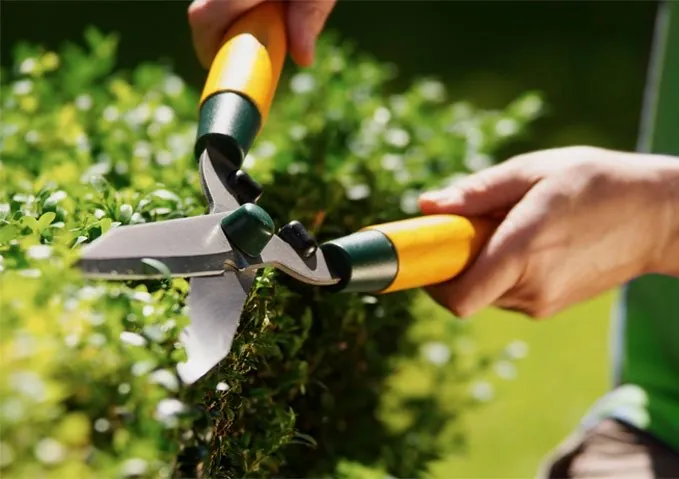
It will need an annual haircut, of course — but that’s a few minutes with clippers and a rake, rather than several hours with brush and chemicals, hammer and nails.
Worth knowing: many lower-cost insurance policies exclude the replacement of damaged fencing.
Almost any tree, shrub or bush can be used for decorative hedging — but if your hedge also has a job to do, the choice needs more thought.
We only grow and sell varieties that thrive in the UK’s climate and soils. Tell us what the hedge has to achieve and we’ll narrow it down:
Whatever your budget, the quality of the plants you choose ultimately determines the value you get. Cheap bare-root and rootball plants are widely available, but generally carry a significantly higher failure rate than container-grown stock.
Container plants do cost more, but they offer the best value — especially for the impatient. You’re paying for years of professional care and constant attention: even one of our smaller container-grown plants will have been inspected over 250 times, and well over 500 times for our largest specimens. They’ll have been expertly watered, fed and trimmed.
That early trimming matters more than people realise. It’s what ensures a plant is well formed, with the side branches needed to grow into a proper hedge. A young plant left alone as a single shoot may put on height initially, but will then need pruning — and you’ll lose a full season’s growth.
On a tighter budget, or happy to wait? Smaller container-grown plants establish quickly — you can plant a 10m yew hedge for under £200.
After a great deal of consideration we stopped supplying bare root, with the exception of native hedging. Our own tests and customer research revealed an unacceptable failure rate — here’s why.
The whole point of bare-root plants is their low price, so they have to be grown close together — too close, in fact, and they quickly become too tall for their bed. They’re effectively being forced, which is fine for rhubarb but not for hedging. The plants are weakened, and when pulled from the ground they’re prone to root damage. That in turn can stop them growing from the base once in their new home.
Regardless of their condition when they leave the nursery, bare root doesn’t travel particularly well — the roots are prone to drying out if they aren’t covered properly.
Bare roots need immediate attention on arrival. At the very least they need a drink, and really should be planted the same day. Any delay puts them at risk. Move bags to a frost-free garage or shed; to hold them longer than a few days, dig a trench, break up any sods, backfill and firm with your heel around the roots — they can be held until March that way.
With those risks, a certain number of bare-root plants simply don’t make it. Our real concern is that because they’re so cheap, few customers tell us when plants fail — and that isn’t how we like to run our business. A failed plant has to be replaced with a larger, more expensive one.
Container-grown plants avoid all of the above, and add benefits of their own. They can be planted at any time of year unless the ground is frozen — whereas bare root is November to March, and rootballs mid-October to mid-April. Kept somewhere appropriate and watered, they’ll happily wait to be planted. And because their roots are fully formed they’re more reliable, establish quickly, start growing quickly, and can be situated, trained and trimmed with precision — vital for a formal hedge.
True evergreens such as laurel and box keep their green leaves all year. Semi-evergreens like beech and hornbeam hold much of their foliage — turning coppery over winter — but shed some depending on wind exposure and how far north they’re planted. Deciduous varieties drop theirs entirely in autumn.
Once fully established, a garden hedge should need no more than an annual prune to hold its shape and height. Along the way a growing hedge needs a little more attention — minutes, not hours — and the slower it grows, the less it needs.
First, look around your immediate neighbourhood to see which hedging plants are growing well — but don’t look too far, as soil conditions can change within a few metres. If you don’t know your soil type, dig an exploratory hole a metre or so down where the hedge will go.
Hedging plants tend to prefer a free-draining home, so fill the hole with water to assess drainage. If it’s slow — more than twenty minutes to drain completely, and certainly if there’s clay — dig in plenty of organic matter (compost, soil improver, bark) before planting.
Take pH into account too: laurels, for example, dislike strongly acid soils. Inexpensive testing kits are readily available. And if you have a newly built house, don’t judge the book by its cover — the developer’s imported topsoil may be a sprinkling over less accommodating hardcore.
Many hedges are planted where adjacent buildings, walls or trees create shade, so it’s fortunate that plenty of shade-tolerant hedging is available. Choose plants that will be happy with the light levels of their new spot — and remember that as your hedge grows it casts its own shadow, so any under-planting needs to be shade tolerant too.
Not sure what counts as “full sun” or “deep shade”? Our FAQs define each one in hours of direct sunlight.
This guide should get you started, but we’re glad to discuss and advise on your project. For ground preparation, spacing and aftercare step by step, see our planting guide. Trade enquiries from professional gardeners and landscapers are equally welcome.
Planting & aftercare guide HedgeXpress